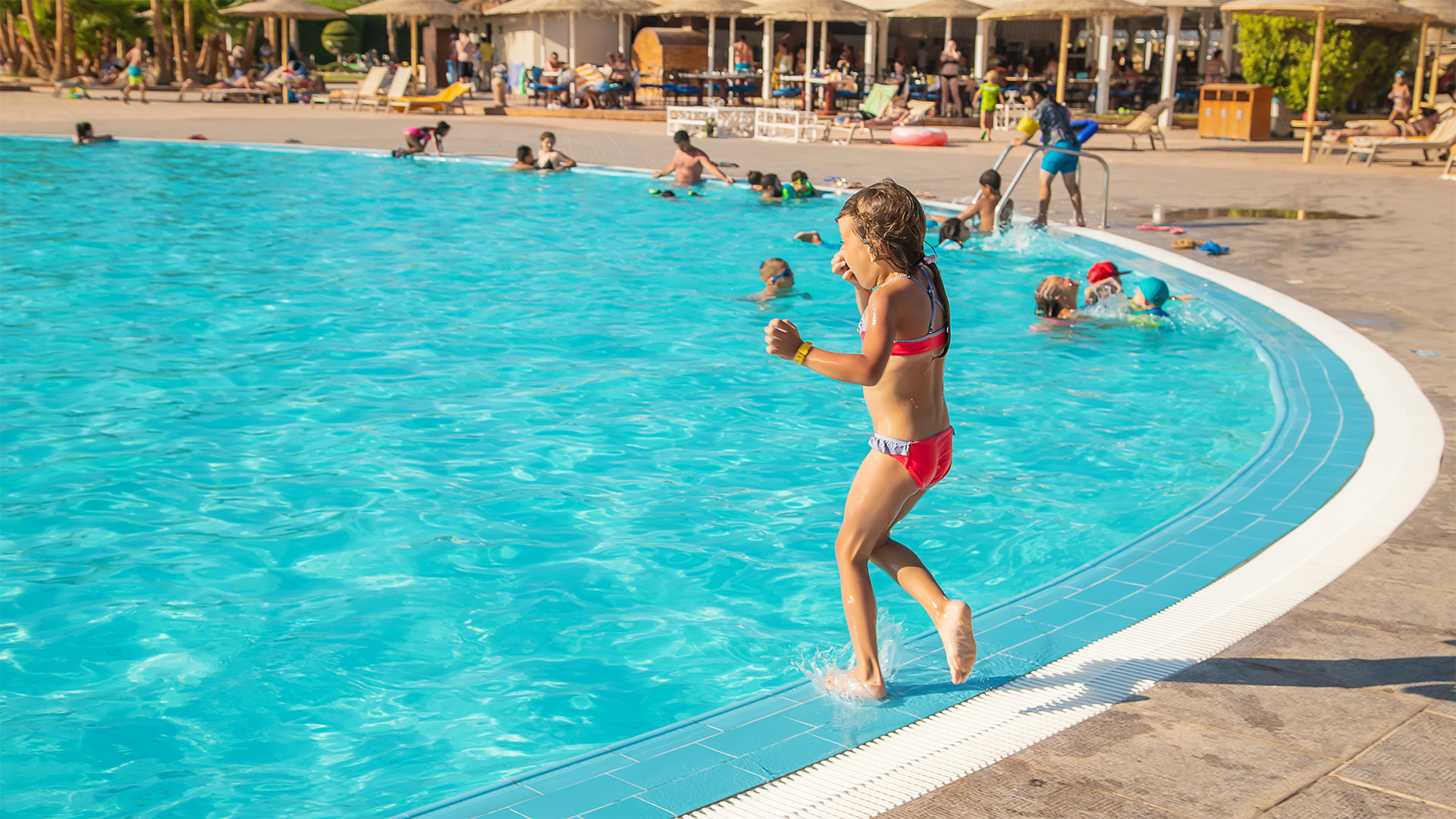
A misjudged dive into the pool. A sudden stop on a bike. A slip on wet stairs on the way out of the beach. With the arrival of hot weather, falls become more frequent, and the mouth is almost always on the front line, because it’s the first thing to hit the ground when balance is lost. For many parents, the first instinct when faced with a broken tooth or a tooth that pops out is panic, followed by a question that hangs in the air: now what do I do? The honest answer is that the outcome of these situations is rarely decided in the dentist’s office. It is decided in the immediate minutes, while the child is still crying and the parents’ hearts are racing. Knowing what to do in that brief moment is worth more than any sophisticated treatment that comes later. And, contrary to what it may seem, you don’t have to be a healthcare professional to do the most important part.
The thing that weighs on me the most isn’t the pain. It’s the clock.
When a permanent tooth is completely knocked out of the mouth, the factor that most determines the outcome is not the severity of the blow or the amount of blood. It is the amount of time the tooth spends outside the socket, especially the time it spends exposed to air. The cells that line the root—and that allow the tooth to reattach to the bone—are fragile and die quickly when exposed to air. That is why the scientific evidence is consistent: the best chance of saving an avulsed tooth is to reinsert it into its socket within the first few minutes. As time passes, the probability of success decreases, and when the root remains dry for more than an hour, the prognosis becomes guarded. It is no exaggeration to say that the first half-hour, with the right decisions, matters more than anything done afterward. The good news is that these decisions are simple and within the reach of any adult present at the time of the accident. The reflex to rush straight to the hospital, without touching the tooth, almost always costs time that cannot be recovered. The essentials are resolved right there, on the spot, and only then should you seek out a dental clinic.
Not all teeth grow back in their original places
There is one detail that completely changes how you should respond, and few parents are aware of it. A knocked-out baby tooth should not be reinserted. Attempting to reimplant a baby tooth can damage the developing permanent tooth bud beneath it, and the risk does not outweigh the potential benefit. A permanent tooth, on the other hand, deserves every effort, precisely because there is no natural replacement waiting to take its place. The problem is that, in the heat of the moment, it’s not always easy to tell whether the tooth in the child’s hand is a baby tooth or a permanent one. Generally speaking, before the age of six, almost all teeth that fall out are baby teeth, and permanent teeth begin to appear after that age. When in doubt, the rule remains simple and clear: keep the tooth, do not force it back in, and call the clinic immediately to confirm the best course of action before doing anything.
How to treat a tooth without making the damage worse
How you hold the tooth makes all the difference. You should always hold it by the crown—the white, smooth part that’s usually visible—and never by the root, which is exactly the part you want to keep intact. Scraping, rubbing, or trying to clean the root with a cloth destroys the cells that could still allow for reattachment to the bone. If the tooth is dirty with sand or dirt, simply rinse it under water or saline for a few seconds, without any friction. In the case of a permanent tooth, and if the child is calm and cooperative, the best approach is to carefully reinsert it into the socket in the correct position and ask the child to bite down on a clean cloth or gauze to keep it in place during the trip. When this is not possible, or when there are lingering doubts, the tooth should be brought to the clinic with us, properly stored in an appropriate container.
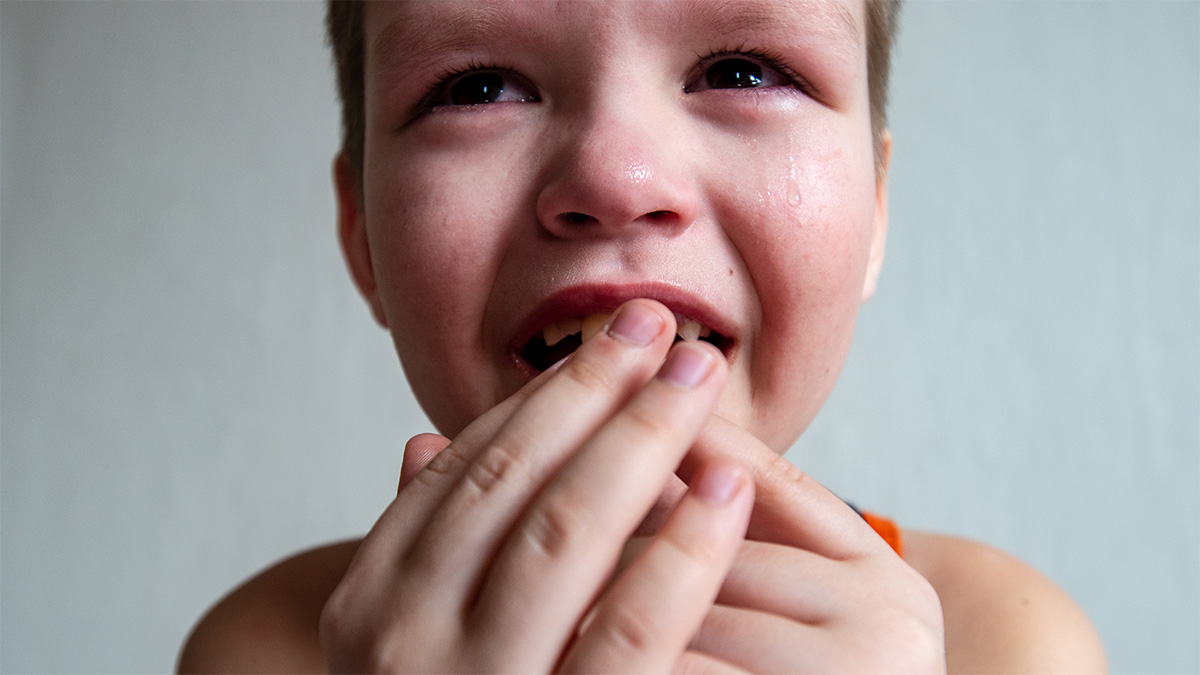
Milk may be a tooth’s best friend
If it’s not possible to reinsert the tooth right away, what you use to store it during transport makes all the difference. The best home remedy—and one that’s almost always on hand—is milk, because it keeps the root cells alive longer. Saline solution works just as well. For older children, who no longer risk swallowing the tooth, saliva itself will do the trick: simply keep the tooth in the mouth, between the cheek and the gum, until you reach the dentist’s office. There is, however, one mistake worth avoiding at all costs: storing the tooth in water. Because it is very different from bodily fluids, water accelerates the destruction of root cells and significantly reduces the chances of success. The same logic applies to a fragment of a broken tooth. If a child has suffered a blow and a piece of tooth is left behind, it’s worth looking for it on the ground and keeping it moist, because it’s often possible to reattach it to its original place.
When a tooth cracks but is still there
Not all dental injuries result in a tooth falling out. Often, the tooth simply chips, cracks, or loses a corner. The severity depends on the depth of the fracture. An injury that affects only the outer layer can usually be resolved with polishing or a small cosmetic restoration. When it reaches deeper layers, sensitivity to hot and cold increases, and the tooth needs immediate protection to prevent a subsequent infection. If the nerve is exposed, treatment becomes more complex, and time is again on the side of those who act early. Therefore, even when the tooth remains in place and the pain seems tolerable, prompt evaluation is warranted. In the meantime, a cold compress held against the cheek helps control swelling, and an age-appropriate pain reliever alleviates discomfort. What should never happen is to dismiss a broken tooth just because the child has stopped complaining in the meantime. The absence of pain does not mean the absence of a problem, and a tooth that has darkened weeks later is usually a sign of an injury that went unnoticed.
With the arrival of the heat, you need a plan—not just sunscreen
Most childhood dental injuries occur during ordinary play, so it’s impossible to prevent them entirely. Still, there are ways to reduce the risk and, above all, to respond more effectively. In activities involving frequent falls and contact, a custom-made mouthguard protects the front teeth, which are almost always the first to be affected. And during the holiday season, when you’re far from your usual dental clinic, it makes perfect sense to know in advance where the nearest dental care is located, so you don’t waste precious minutes searching for it at the worst possible moment. Clinicalvor, in Alvor and Portimão, responds to dental emergencies and handles these situations with the calmness a frightened child needs, using conscious sedation whenever warranted. Saving the tooth, keeping it moist, and calling immediately remains the simplest and most effective plan any family can have up their sleeve.
References
https://pubmed.ncbi.nlm.nih.gov/32472740/- https://www.aapd.org/research/oral-health-policies–recommendations/guidelines-for-the-management-of-traumatic-dental-injuries-1-fracture-and-luxations-or-permanent-teeth/
https://www.ncbi.nlm.nih.gov/pmc/articles/PMC10208297/
https://www.omd.pt/publico/odontopediatria/cuidados-dentes-leite/