When people talk about orthodontics, the image that springs to mind is almost always the same: straight teeth, a more harmonious smile, and visually aligned dental arches.
But that is only part of the problem.
A well-planned orthodontic treatment does not simply aim to arrange the teeth to look good in the final photograph. It also aims to create functional relationships between the dental arches, distribute tooth-to-tooth contact evenly, facilitate oral hygiene, protect the periodontal tissues and contribute to stable chewing.
That is why two smiles that appear very similar may have quite different functional characteristics. Aesthetics shows the result. Occlusion explains how that result works.
Straightening teeth is not the same as achieving a good bite
Occlusion refers to the way in which the upper and lower teeth come into contact with one another.
At first glance, this may seem like a technical detail. In reality, these contacts influence the way we chew, how we distribute forces across our teeth, and how each element of the dental arch functions as part of the whole.
In orthodontic treatment, it is not enough simply to align the incisors and canines in a visually pleasing manner. It is necessary to understand the relationship between the front and back teeth, the fit between the dental arches, the position of the jaws, and the movements that occur during chewing.
The clinical aim is not to create a ‘perfect’ bite based on an abstract model. It is to find a functional relationship that is appropriate for that individual, taking into account their anatomy, age, periodontal condition, remaining teeth and actual needs.
For this reason, an orthodontic assessment is always more comprehensive than what can be seen when someone smiles.
Dental contacts distribute forces
Teeth do not work in isolation.
During chewing, forces are transferred from one tooth to another and transmitted to the tissues supporting them. The position of the teeth influences the way in which this load is distributed.
When there are poor contacts, some teeth may be subjected to forces in a less favourable way than others. This does not mean that a particular occlusal relationship automatically causes pain, wear or disease. It simply means that the way the teeth contact one another forms part of the functional assessment.
This point is particularly important because orthodontics should not be reduced to merely correcting the appearance of the front teeth.
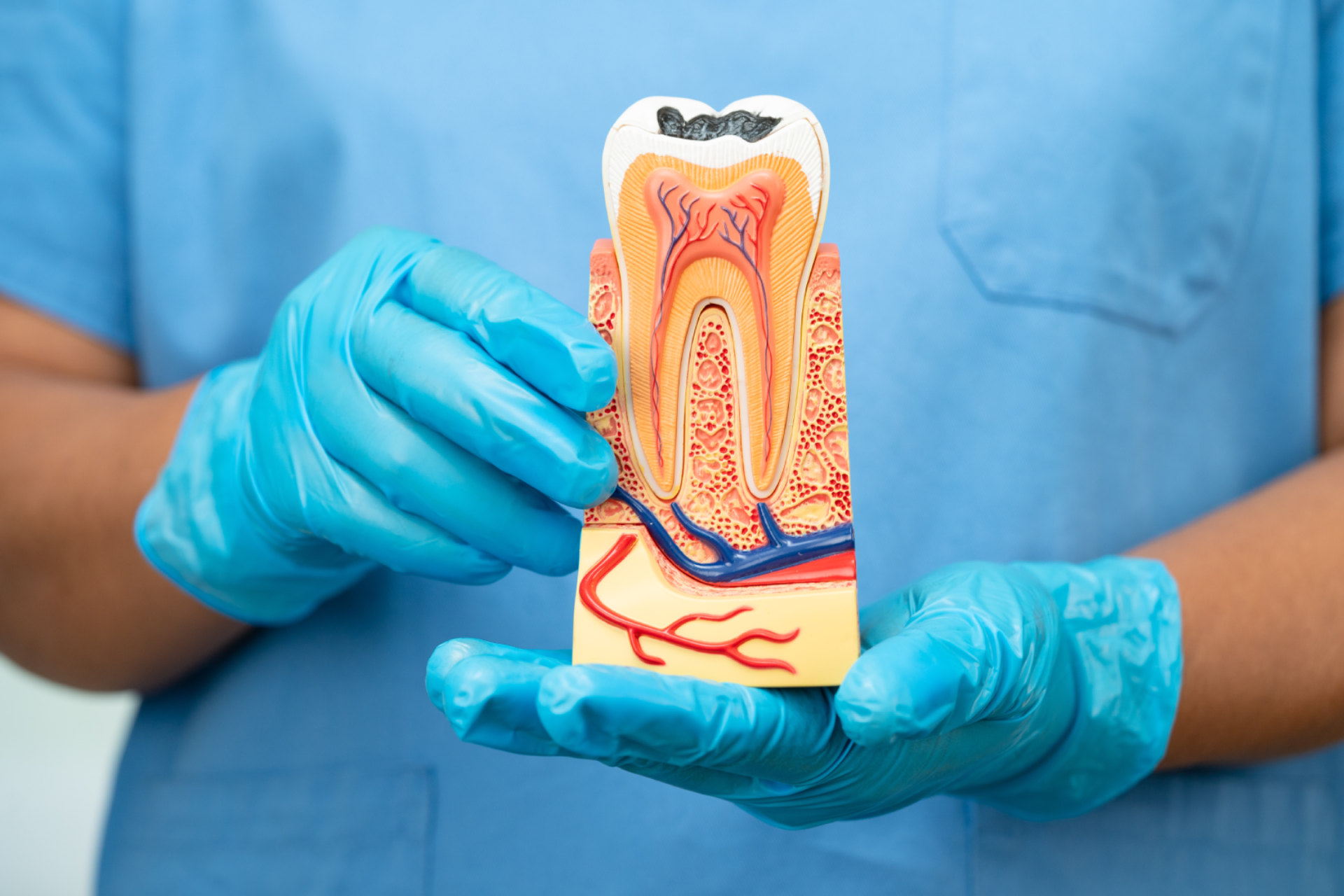
The posterior teeth play a vital role in bite stability and mastication. The way the cusps relate to one another, the presence of adequate contacts and the overall balance of the dental arches are important factors in the outcome.
A successful orthodontic treatment therefore aims to combine alignment with function.
Chewing is also part of the result
A straight smile may be aesthetically pleasing, but chewing function remains an important consideration.
The scientific literature shows that masticatory function should be taken into account when assessing orthodontic outcomes, particularly in more extensive treatments. The ability to grind food depends on various factors, including the number of teeth, their position, the relationship between the dental arches, and the efficiency of occlusal contacts during mastication.
This does not mean that all chewing difficulties can be resolved through orthodontics.
There are dental, muscular, joint or prosthetic issues that may affect function and require different approaches. Once again, it is the individual assessment that enables us to gauge the significance of each factor.
What orthodontics can do is improve the alignment of the dental arches and create more favourable dental relationships where this is indicated.
This is a functional aim, not merely an aesthetic one.
Straight teeth can make oral hygiene easier, but they are no substitute for good habits
The position of the teeth also affects how easily we can clean them.
Teeth that are severely crowded or rotated can create areas that are more difficult to reach with a toothbrush and for interdental cleaning. In certain cases, straightening the teeth can make it easier to remove plaque and simplify daily oral hygiene.
But it is important not to overstate this connection.
Having straight teeth does not automatically protect against gingivitis or periodontitis. Periodontal health depends on adequate biofilm control, hygiene habits, individual susceptibility and professional monitoring.
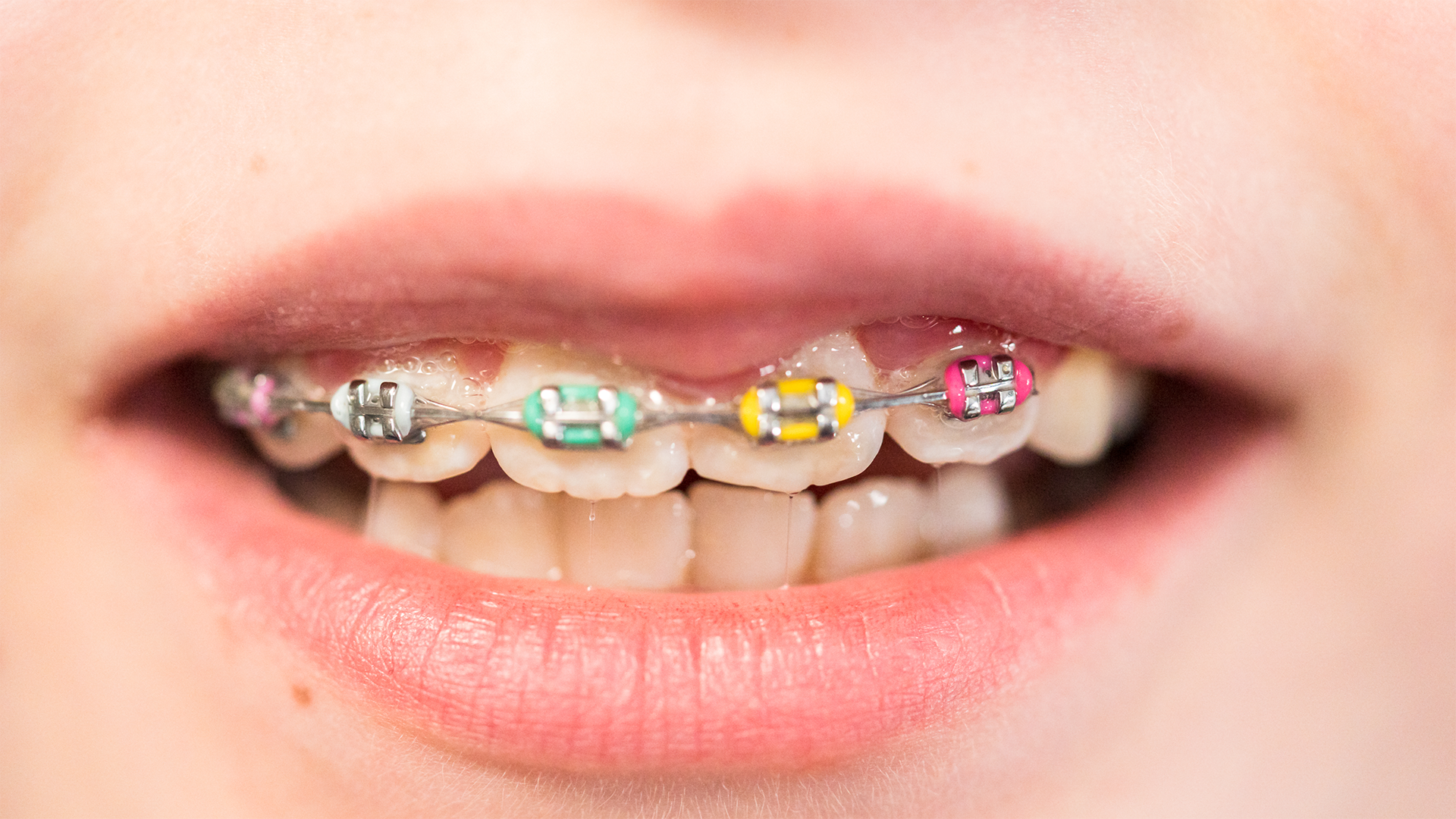
During orthodontic treatment, this care becomes even more important. Some braces can make cleaning more difficult and encourage the build-up of plaque if oral hygiene is not adjusted accordingly.
For this reason, orthodontics and periodontics are not separate disciplines.
Before moving teeth, it is necessary to assess whether the periodontal tissues are healthy. During treatment, oral hygiene must be monitored. And in people with a history of periodontal disease, treatment planning must take into account the biological limits of the supporting tissues.
Moving a healthy tooth within a healthy periodontium is different from moving a tooth that has already lost bone support.
Stability is also a factor in planning
Another common mistake is to think that treatment is over once the teeth have reached their intended position.
Following orthodontic treatment, the tissues surrounding the teeth need time to reorganise themselves. Furthermore, the teeth remain subject to forces arising from chewing, the muscles and the surrounding tissues.
For this reason, retention is part of the treatment.
Retainers help to maintain the results whilst the tissues adapt, and are often still required in the long term, depending on the individual case.
Even so, no responsible professional can promise that teeth will remain completely immobile throughout a person’s lifetime.
Teeth may undergo slight changes in position as we age, even in people who have never had orthodontic treatment. Growth, ageing, periodontal changes and tooth loss can gradually alter the balance of the dental arches.
A stable result does not mean a biologically ‘frozen’ mouth. It means that the treatment was planned to create conditions that are as favourable as possible and that there is an appropriate retention strategy in place.
What about the temporomandibular joint?
The relationship between orthodontics, occlusion and the temporomandibular joint is an area where it is easy to oversimplify matters.
Problems with the temporomandibular joint can involve pain, limited mouth opening, joint noises, muscle changes and various other factors. Their aetiology is multifactorial.
It is therefore incorrect to claim that straightening the teeth or ‘correcting the bite’ alone resolves temporomandibular joint disorder.
Nor is there any basis for using orthodontics as a universal treatment for temporomandibular joint pain.
Where joint or muscle symptoms are present, these must be assessed specifically. In some cases, orthodontic planning will need to take this situation into account. In others, a multidisciplinary approach will be required.
The bite is one piece of the jigsaw, not necessarily the whole explanation.
Planning begins long before the first tooth is moved
Good orthodontic treatment begins with a diagnosis.
At Clinicalvor, orthodontics is described precisely as a field dedicated to correcting the position of the teeth and jaws, taking both function and aesthetics into account in an integrated manner.
Before starting treatment, it is necessary to assess dental alignment, the relationship between the dental arches, periodontal health, tooth-to-tooth contact, available space and other relevant clinical factors.
In some situations, it is also necessary to coordinate treatment with other areas of dentistry.
A patient with active periodontal disease must first stabilise the condition. A damaged tooth may require restoration. A missing tooth can alter the entire treatment plan. A functional problem may require further assessment.
That is why there is no one-size-fits-all orthodontic treatment plan.
The same crooked smile can have very different solutions for two different people.
A healthy smile goes beyond the photograph
Straight teeth remain important. They have an aesthetic impact, can boost self-confidence and are one of the goals of many patients.
But to reduce orthodontics to simply ‘straightening teeth’ is to overlook much of what makes the treatment clinically relevant.
A healthy bite involves proper dental alignment, efficient chewing, stable periodontal tissues, achievable oral hygiene and a result that can be maintained.
This requires diagnosis, planning and monitoring.
At Clinicalvor, the aim is not simply to make the teeth look straight. It is to understand how those teeth will work together and what each person’s specific limitations and needs are.
Because, at the end of the day, a smile shouldn’t just look balanced.
It should work like that.