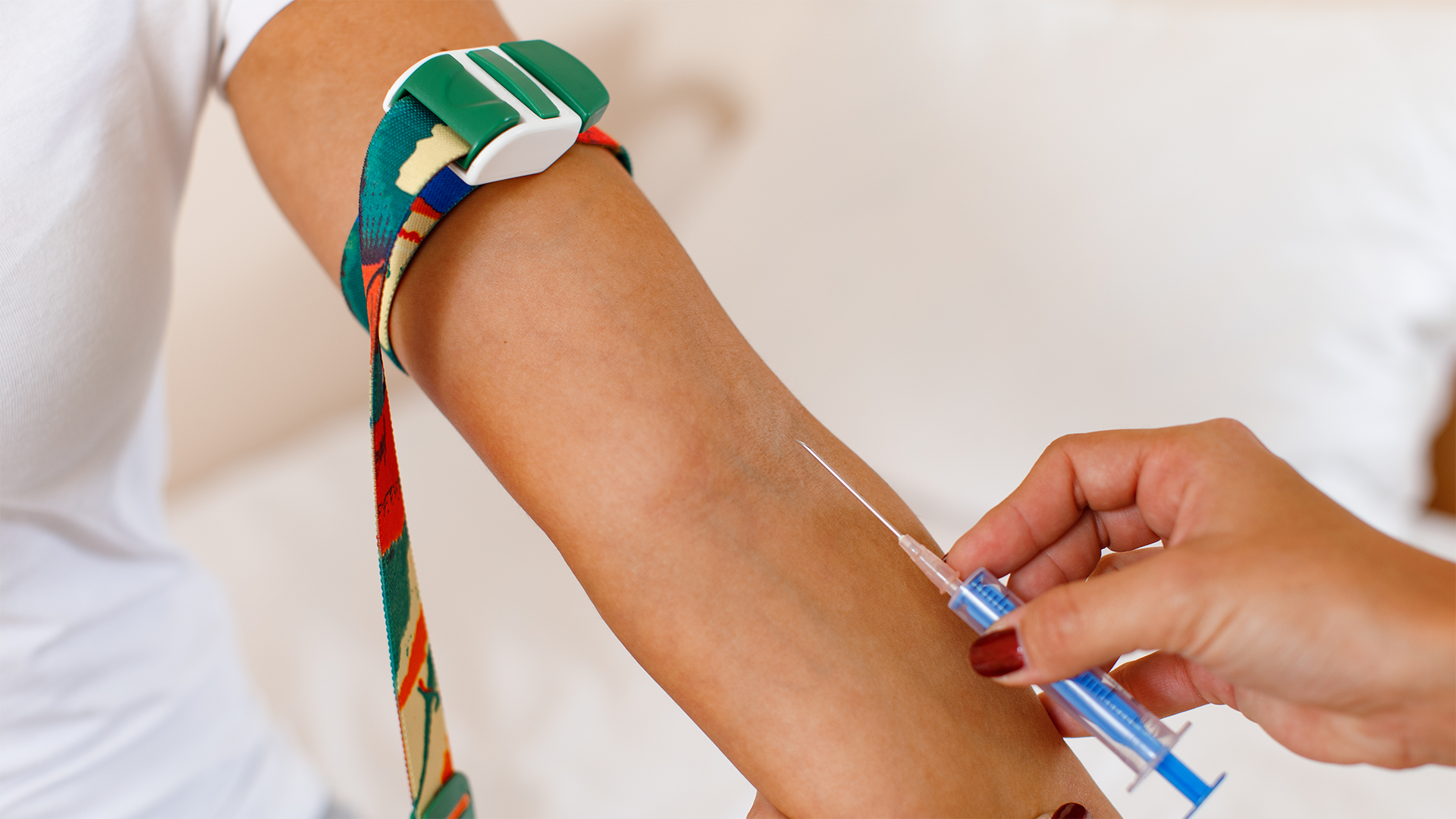
Summer invites us to spend more time outdoors. The beach, the pool, hiking, sports, or simply a meal on a patio are all part of this time of year. But while we enjoy the longer days, our skin works hard to meet a constant challenge: protecting us from ultraviolet radiation, heat, and dehydration.
The effects of this exposure are not always immediate. A sunburn is easy to recognize, but much of the damage caused by the sun accumulates silently over the years. Premature wrinkles, dark spots, loss of elasticity, and changes in skin texture are often the result of repeated exposure without adequate protection.
Taking care of your skin in the summer goes far beyond just avoiding sunburn. It’s a way to maintain healthy skin today and reduce problems that may arise much later.
The skin has a memory
Contrary to what many people think, the skin does not “forget” days of intense sun exposure.
Each exposure to ultraviolet radiation causes changes in skin cells. Most of these changes are repaired by the body, but some accumulate over the course of a lifetime. It is this cumulative effect that explains why many people begin to develop age spots, deep wrinkles, or loss of firmness years after spending long periods in the sun without adequate protection.
Ultraviolet radiation also accelerates the breakdown of collagen and elastin, the proteins responsible for the skin’s strength and elasticity. This process, known as photoaging, is one of the main causes of premature skin aging.
It is important to realize that these effects are not limited to days spent at the beach. Driving, walking outdoors, or playing sports outdoors also contribute to daily sun exposure.
Protecting your skin is more than just applying sunscreen
Sunscreen remains one of the most important tools for reducing damage caused by ultraviolet radiation. However, effective protection comes from a combination of several habits.
Avoiding direct exposure during the hours of peak sunlight, wearing a wide-brimmed hat, dressing appropriately, and seeking shade whenever possible are simple measures that significantly reduce the amount of radiation absorbed by the skin.
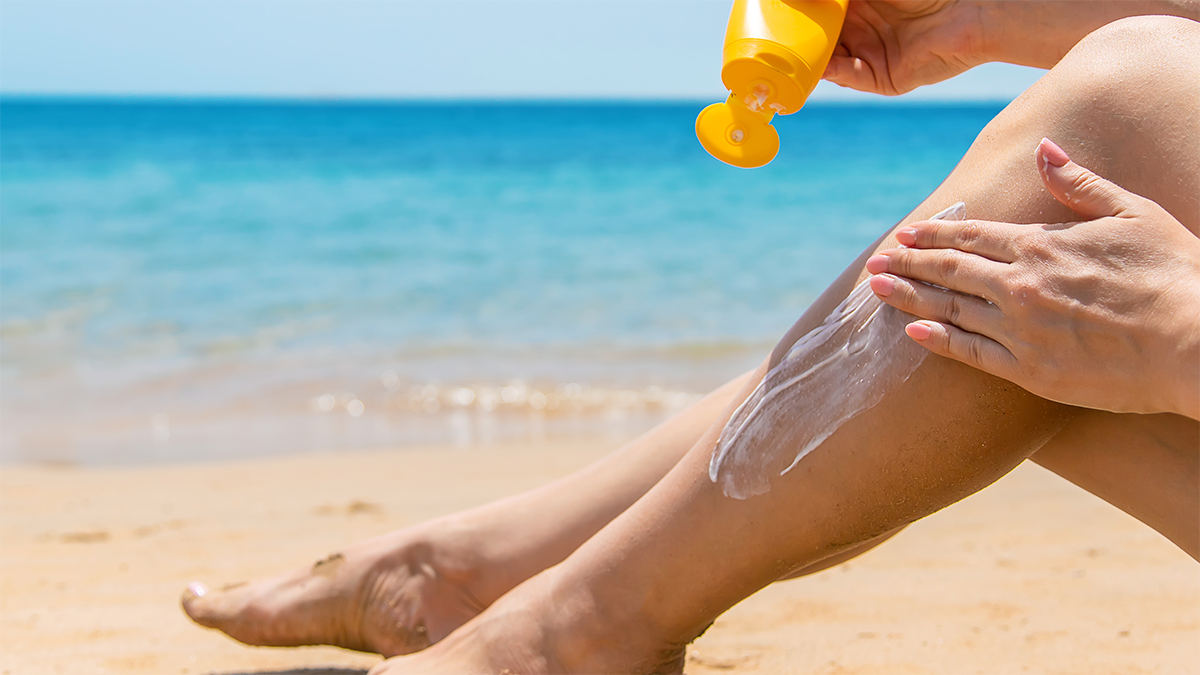
It’s also important to apply enough sunscreen and reapply it throughout the day, especially after swimming or heavy sweating. One of the most common mistakes is using too little, which significantly reduces the level of protection indicated on the packaging.
These measures don’t prevent you from enjoying the summer. They simply allow you to do so more safely.
The heat also requires precautions
During the warmer months, the skin faces challenges that go beyond the sun.
Increased sweating contributes to superficial dehydration of the skin, which can cause a tight feeling, increased sensitivity, and a worsening of certain skin conditions. In people with rosacea, for example, heat can trigger episodes of more intense redness. Meanwhile, those who suffer from eczema or sensitive skin may experience increased irritation under certain circumstances.
Proper hydration starts from the inside out. Drinking water regularly remains essential for the body’s functioning and helps keep the skin in better condition. At the same time, using moisturizers suited to your skin type helps strengthen the skin’s barrier function and reduce water loss.
After a day of increased sun exposure, gentle cleansing and thorough moisturizing can make a significant difference in your skin’s recovery.
Not all damage is immediately apparent
A tan is often seen as a sign of good health. In reality, a tan is the skin’s defensive response to ultraviolet radiation.
The most visible effects of excessive sun exposure—such as dark spots, uneven skin texture, or loss of radiance—may not appear until months or years later. In some cases, repeated sun exposure can also contribute to the development of precancerous lesions and increase the risk of skin cancer.
Therefore, it’s important to pay attention to persistent changes, such as spots that change in appearance, lesions that don’t heal, or marks that change in color, shape, or size. Whenever in doubt, a medical evaluation is the safest option.
Prevention remains far more effective than trying to repair damage that has already occurred.
Depois do verão, a pele também merece atenção
O final do verão é um bom momento para observar a pele com mais atenção.
It is not always possible to avoid all sun exposure, even with proper care. Therefore, a medical evaluation can help identify changes that warrant monitoring and establish strategies to preserve skin health in the long term.
Na área da Medicina Estética e Regenerativa, a abordagem não se centra apenas na componente estética. O objetivo passa também por melhorar a saúde e a qualidade da pele, recorrendo a tratamentos personalizados sempre que exista indicação clínica. Dependendo das necessidades de cada pessoa, podem ser considerados procedimentos destinados a melhorar a hidratação cutânea, estimular a produção de colagénio ou atenuar alterações provocadas pelo fotoenvelhecimento.
A decisão de realizar qualquer tratamento deve resultar sempre de uma avaliação individualizada, tendo em conta o estado da pele, os objetivos do paciente e a evidência científica disponível.
O melhor tratamento continua a ser a prevenção
A pele acompanha-nos durante toda a vida e reflete muitas das escolhas que fazemos diariamente. A proteção solar, a hidratação, uma alimentação equilibrada e hábitos de vida saudáveis continuam a ser os pilares fundamentais para preservar a sua saúde.
When this care is supplemented by a medical evaluation whenever necessary, it becomes possible to identify changes early on, prevent more serious damage, and, when appropriate, use strategies that help keep the skin healthy for longer.
At Clinicalvor, Aesthetic and Regenerative Medicine embodies this preventive approach. Rather than seeking immediate results, it prioritizes a personalized approach based on skin health and the enhancement of the skin’s natural characteristics.