The first weeks of December always arrive with a mixture of charm and challenge. The diary fills up with dinners, desserts that appear without warning, impromptu gifts, boxes of chocolates that circulate like little traps and that feeling that ‘it’s just a little bit, it’s Christmas’. This may be fun for the collective mood, but for your enamel it is a period of biochemical stress that is rarely talked about. The combination of frequent sugars, pH variations and greater exposure to sticky foods creates a perfect environment for tooth decay to set in. It is not sugar alone that causes the problem, but rather the repetition of small episodes throughout the day, which is especially typical at this time of year. This is where prevention ceases to be a theoretical gesture and becomes a realistic strategy for protecting teeth and gums.
The oral microbiota reacts quickly to festive eating patterns. More sugar available means more acid production by cariogenic bacteria. The result is a lower pH for longer periods, making it difficult for saliva to neutralise the environment. The longer the time spent with an acidic pH, the greater the likelihood of demineralisation. This is perhaps the greatest risk in the weeks leading up to Christmas: it is not the sweets themselves, but the way they are consumed, often in a fragmented and continuous manner.
What changes in the mouth during the festive season
The festive season changes almost everyone’s eating habits. Sugar intake is no longer an isolated event but is spread across dinners, desserts, chocolates offered at work, biscuits, sweet drinks and constant snacking. For the oral microbiota, this means a constant flow of fermentable substrates. Each exposure leads to an acid spike which, under normal conditions, saliva is able to buffer. However, when spikes occur in succession, the buffering capacity of saliva decreases and the enamel remains vulnerable for longer.
It is also noted that at this time of year there is a greater tendency towards rushed brushing, irregular schedules and, in some cases, consumption of acidic drinks that enhance the effect of sugars. Small changes in routine become cumulative and make December one of the most challenging months for oral health. This context should not be seen as alarmist, but rather as an opportunity to reinforce simple behaviours that have a real impact.
The science behind prevention: the role of saliva, pH and enamel
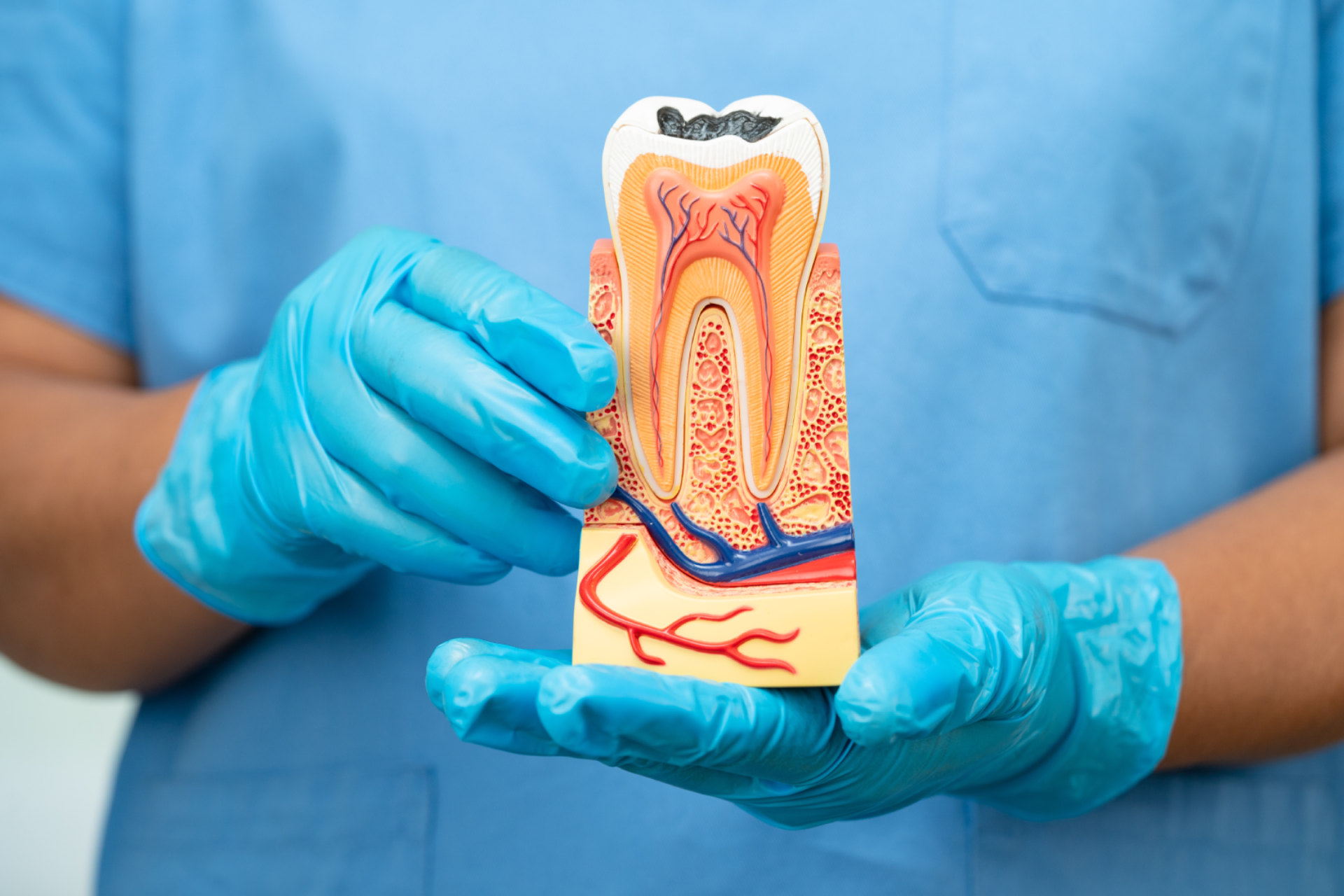
Enamel is a highly mineralised and resistant structure, but it is vulnerable when repeatedly exposed to acidic environments. Demineralisation occurs whenever the pH falls below 5.5, allowing acids to release calcium and phosphate from the tooth surface. This process is initially reversible, provided that the environment returns to a neutral pH and minerals are available for remineralisation.
Saliva is the main defence mechanism during the festive season. It has a buffering effect, helps restore pH levels and transports the minerals needed to repair micro-lesions. When sugar is consumed frequently, saliva spends more time correcting successive drops in pH and less time allowing deep remineralisation. This explains why December is often associated with increased sensitivity, initial white spots and the appearance of cavities in the following months.
It is also important to note that sticky foods, which are very common in Christmas desserts, remain stuck to the teeth for longer and prolong bacterial metabolism, keeping the pH low for longer. In children, this effect is even more pronounced due to their thinner enamel, but in adults the cumulative impact is equally significant.

Realistic strategies for protecting your enamel during the festive season
Preventing tooth decay at this time of year does not depend on severe restrictions, but on small choices that make a big difference to pH behaviour. One of the most useful principles is to avoid repeated episodes of sugar consumption throughout the day. Concentrating sweets at a specific time drastically reduces the number of pH drops, even if the total amount of sugar is the same.
Another simple tip is to drink water after eating sugary or sticky foods. This speeds up the removal of residue and helps normalise pH levels. Brushing with fluoride toothpaste twice a day remains the cornerstone of prevention, as does flossing before bed. Fluoride strengthens enamel by making the surface more resistant to acidity, which is particularly important during the festive season. For people with high susceptibility to tooth decay, fluoride varnishes or topical applications at the dentist’s office are scientifically supported options.
It is also important to remember that acidic drinks, even without sugar, increase the risk of demineralisation. When consumed alongside sugary foods, they amplify the cariogenic effect. Small adjustments such as drinking a glass of water in between can reduce this impact.
When to seek professional advice at this time of year
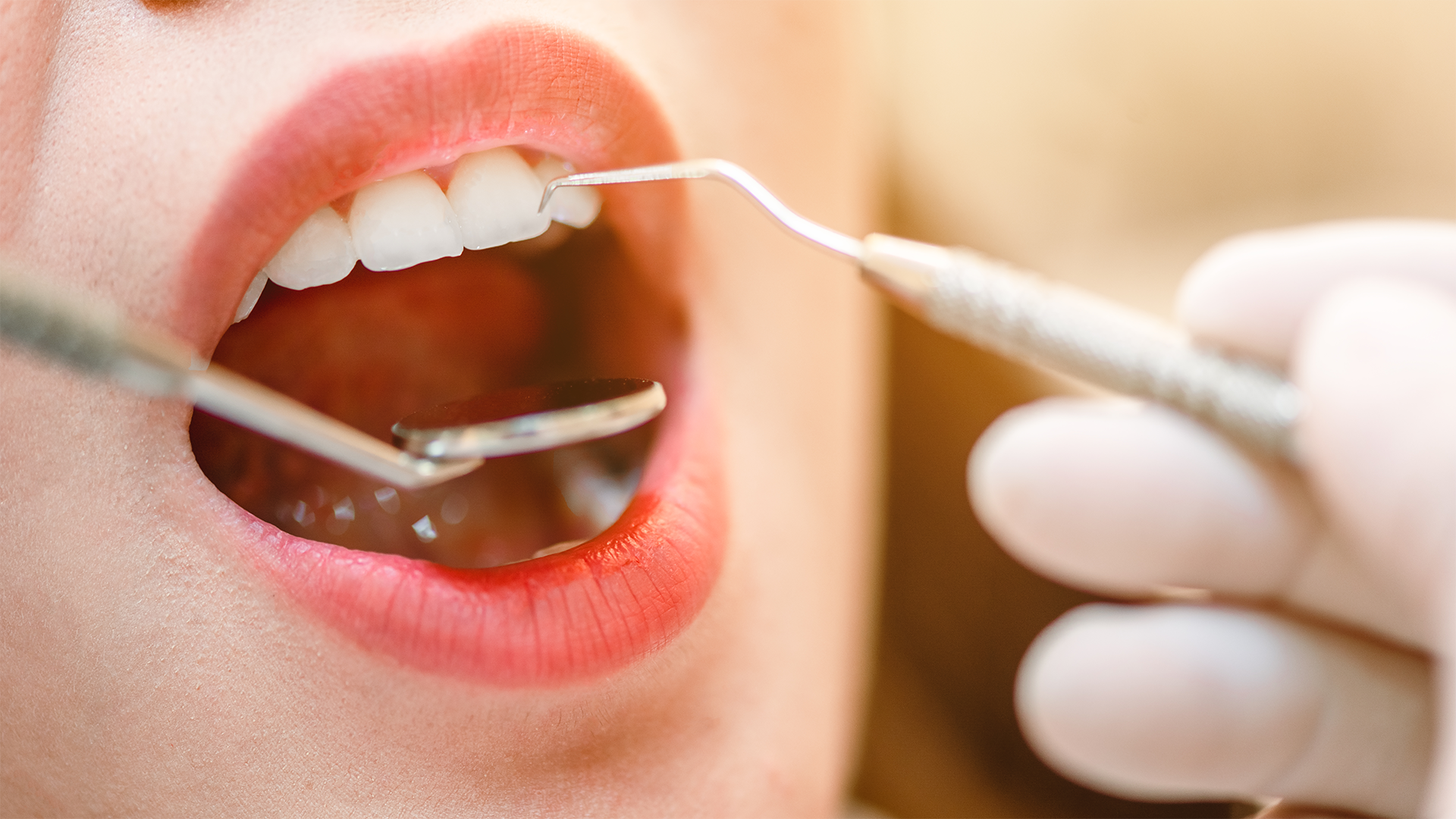
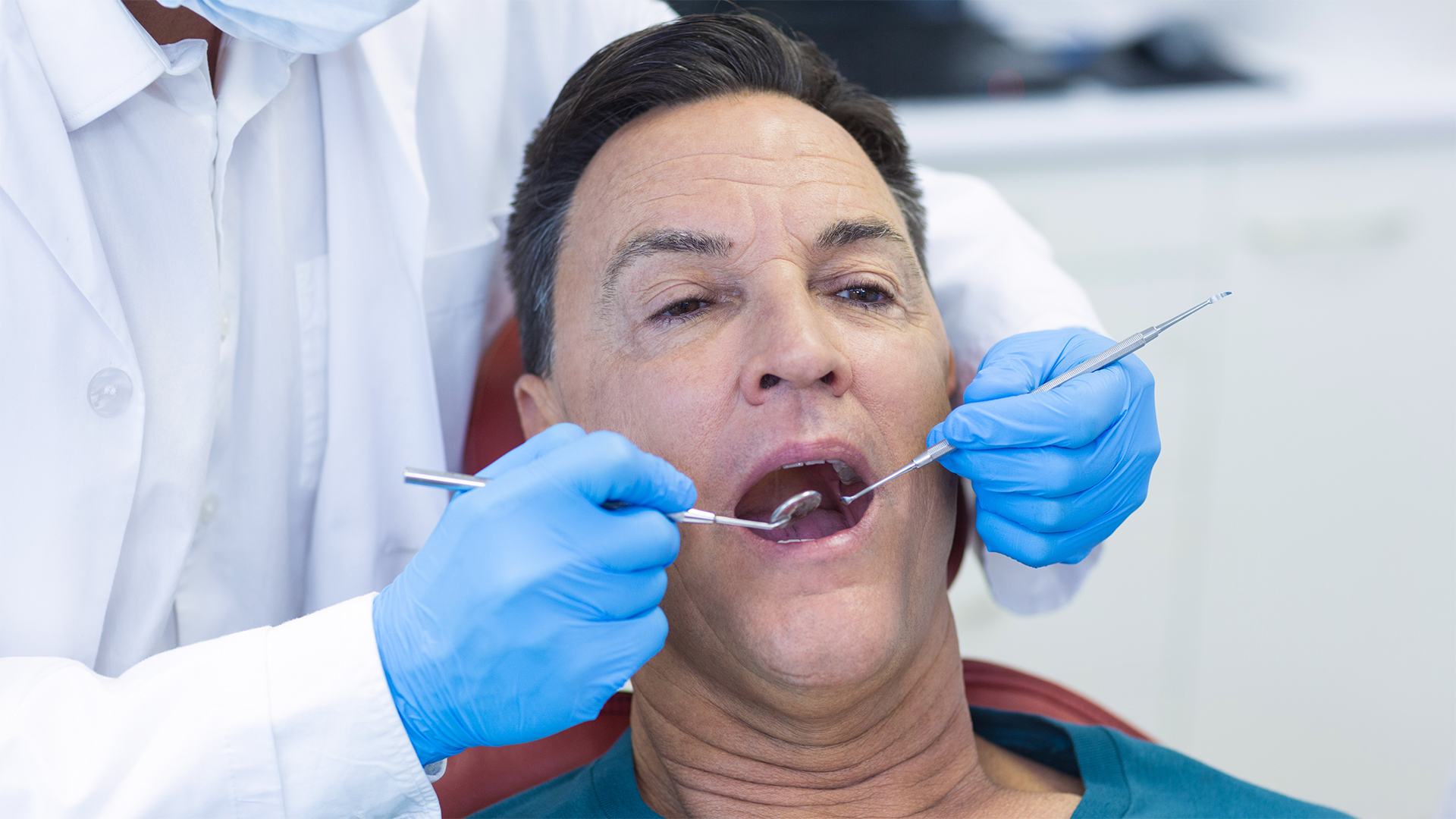
Caries prevention is most effective when accompanied by regular check-ups. December can be a good time to identify early lesions, assess plaque retention areas, measure individual risk, and reinforce personalised measures. People with sudden sensitivity, recent whitish spots, small fractures, or persistent gum bleeding should schedule an appointment in advance, especially before the weeks with the heaviest food intake.
An assessment allows you to adjust your daily routine and, if necessary, apply reinforcement measures such as sealants, professional fluoride application or review habits that may be causing repeated demineralisation.
A sweeter Christmas, but with teeth prepared
The festive season has an inevitable emotional side, and many of our food choices are part of important moments. Preventing tooth decay is not about taking the pleasure out of celebrations, but rather ensuring that our teeth can withstand this period without long-term consequences. The body responds predictably to repeated sugar intake and acid stress, but it also responds very well to consistent habits, even simple ones.
Protecting your enamel in December does not require great sacrifices. It only requires awareness of what happens in your mouth during these weeks and a few gestures that balance the oral environment. When this is done, the holidays can maintain their usual sweetness without significantly impacting dental health.