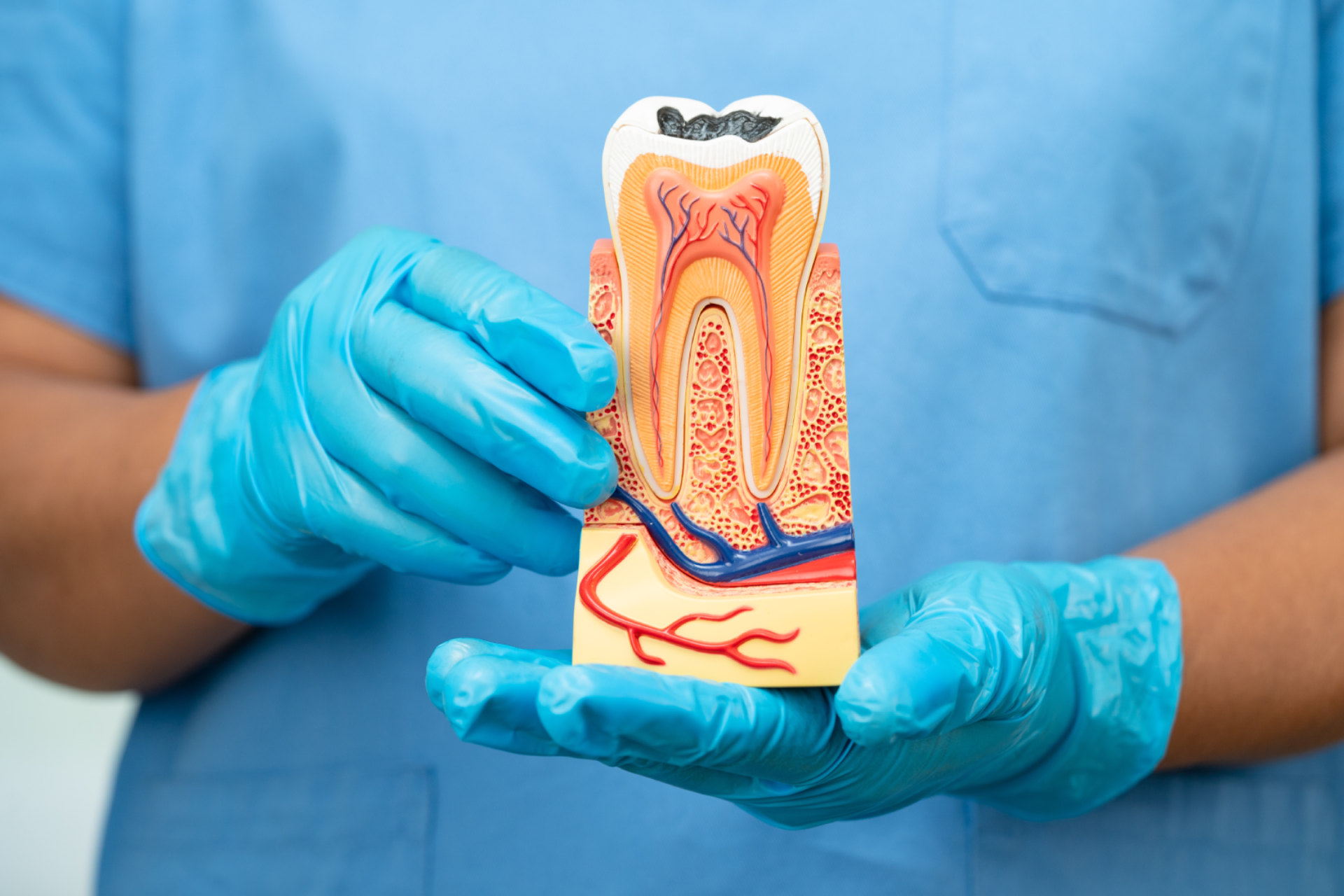
Winter changes routines, schedules, diet and even the way the body reacts to the environment. We wear more layers, spend more time indoors and feel the impact of the cold on our immune system. What is rarely considered is that these changes are also reflected in the mouth. Not dramatically or immediately, but in a subtle and cumulative way. Oral health in winter is influenced by environmental, behavioural and immunological factors that deserve attention, especially because they go unnoticed until symptoms appear.
Cold weather and the immune response: an indirect relationship
Cold weather does not cause infections on its own, but it is associated with increased susceptibility to respiratory diseases and changes in immune response. During winter, the immune system can become more overwhelmed, either due to frequent viral infections or less exposure to sunlight and lower levels of vitamin D. This decrease in immune effectiveness can be reflected in the oral cavity, especially in the way the body responds to bacterial plaque.
More sensitive gums and a greater tendency towards inflammation and bleeding are not only caused by poor hygiene, but also by a weaker immune balance. The mouth is a gateway for microorganisms and depends on an effective local immune response to maintain tissue health.
Dry mouth in winter: an often overlooked factor
In winter, the mouth tends to become drier. Cold air outside and artificial heating inside reduce ambient humidity, promoting dehydration of the mucous membranes. In addition, there is a tendency to drink less water, as the sensation of thirst decreases in cold weather.
Saliva plays a central role in protecting the mouth. It helps neutralise acids, controls bacterial proliferation and contributes to enamel remineralisation. When salivary flow decreases, the risks of caries, tooth sensitivity and oral discomfort increase. In winter, this change is progressive and often only noticed when burning, difficulty swallowing or increased plaque accumulation occur.
Changes in eating habits and impact on enamel
Diet also changes during the colder months. People consume more carbohydrate-rich foods, sweetened hot drinks and frequent snacks throughout the day. These habits, combined with reduced saliva production, create a more acidic environment in the mouth.
Although tooth enamel is resistant, it reacts to repeated exposure to acids. In winter, the risk is not specific to any particular food, but rather the frequency with which the mouth is exposed to sugars and acids without sufficient time for pH recovery. This pattern promotes demineralisation processes which, in the medium term, can result in increased sensitivity or the development of cavities.
Tooth sensitivity and reactions to cold
Complaints of tooth sensitivity often increase in winter. Contact with hot drinks followed by cold air, or even breathing in cold environments, can trigger sudden pain in teeth with weakened enamel or gum recession.
This sensitivity does not arise from the cold itself, but from the exposure of deeper dental structures, such as dentine, associated with wear, gum inflammation or old restorations. In winter, these stimuli become more frequent, leading many people to avoid certain foods or brushing in sensitive areas, which ultimately aggravates the problem.
Winter, inflammation and gum health
Gum inflammation can become more evident in winter, not only due to an altered immune response, but also due to behavioural changes. More irregular routines, increased tobacco or alcohol consumption in social settings, and less attention to daily oral hygiene contribute to this scenario.
Gums are highly vascularised tissues that are sensitive to systemic changes. When the body is more vulnerable, local inflammation tends to set in more easily. Persistent gum bleeding should not be seen as something ‘normal for the season’, but as a sign that oral health needs to be assessed.
What these changes mean in clinical practice
In winter, the mouth does not suddenly become ill, but it does become more vulnerable. Small changes accumulate and may go unnoticed until clear symptoms appear. The combination of dry mouth, dietary changes, a weaker immune response, and greater exposure to thermal stimuli creates a context conducive to oral problems.
In clinical practice, this season is often marked by the onset of sensitivity, gum inflammation and worsening of pre-existing conditions. Recognising these changes allows for earlier intervention, prevention of complications and adaptation of hygiene care and monitoring to the specific needs of winter.
What changes in your mouth when the season changes
Oral health goes hand in hand with the rest of the body. In winter, the cold, immunity and daily habits create a different environment in the mouth, quieter but no less relevant. Being alert to signs such as dry mouth, persistent sensitivity or gum inflammation is essential to prevent small changes from turning into bigger problems. Taking care of your mouth during this season means, above all, recognising that it is part of a larger system and reacts to the same demands as the rest of the body.
References
https://doi.org/10.1902/jop.2008.070623
https://doi.org/10.14219/jada.archive.2007.0210